Spotify India User Growth (2019–2025)

When I think back to India in 2019, one thing stands out immediately: this was not a market built for paid music streaming.
Music in India was mobile-first. About 95% of streams happened on smartphones (EY–FICCI 2019; Statista), mostly on prepaid data plans. Paid subscriptions were tiny, fewer than 1 to 2 million users, keeping paid penetration below 1% (Hypebot). Subscription ARPU lagged far behind Western markets (IFPI 2019).
Discovery was free-led: YouTube and telecom bundles dominated. Early adopters were urban, English-speaking, and digital-first, curious about global apps, but still a small slice of the total audience.
This is the environment Spotify stepped into and began adapting to.
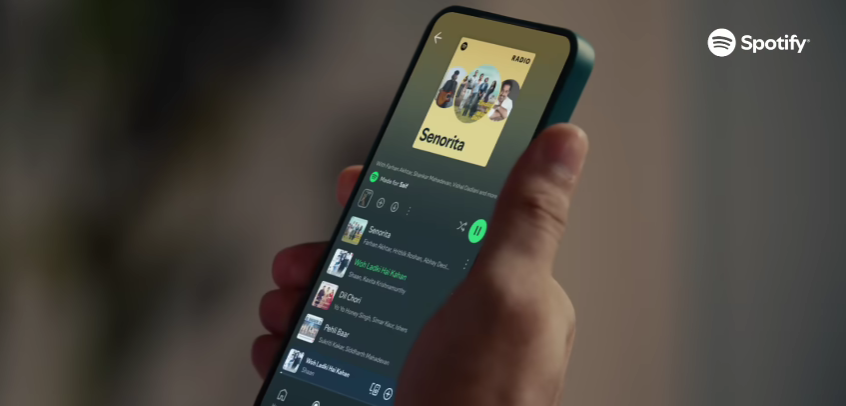
Spotify’s Entry into India: Establishing the Baseline (2019)
On February 26, 2019, Spotify finally entered into one of the toughest music markets in the world.
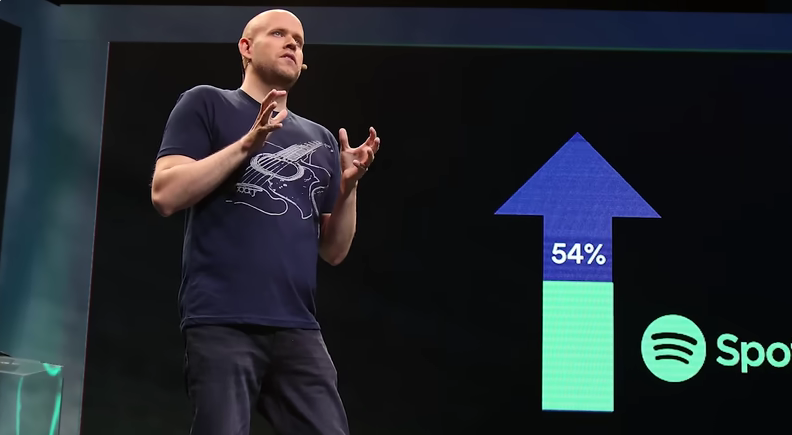
And at that time Spotify Founder and CEO Daniel said:
“As Spotify grows, our goal is to bring millions of artists and billions of fans together from every country and background. India has an incredibly rich music culture and to best serve this market, we’re launching a custom-built experience. Not only will Spotify bring Indian artists to the world, we’ll also bring the world’s music to fans across India. Spotify’s music family just got a whole lot bigger.”
On paper, the audience was massive. Between 150 and 170 million people were already streaming music every month across YouTube, Gaana, JioSaavn, Wynk, and regional apps (IFPI Global Music Report 2019; Statista). But paid listening was almost non-existent. Fewer than 1 to 2 million users were paying for subscriptions, pushing paid penetration below 1 percent (Hypebot).
In other words, India was big, mobile-first, and overwhelmingly free-led.
What happened next mattered.
Within the first week, Spotify crossed roughly 1 million users in India across free and premium tiers (The Indian Express; The News Minute). Unlike markets such as Brazil or Mexico, this growth did not come from pre-installs or telecom bundling. It happened organically.
By the end of Q1 2019, Spotify’s India user base had crossed around 2 million users (Inc42; Spotify Q1 2019). That early traction proved one thing clearly. Indian users were willing to try a global, algorithm-driven discovery platform, even in a market dominated by YouTube and free access.
To understand Spotify’s trajectory in India, we analyze estimated Monthly Active Users (MAUs) from launch through January 2025.
Spotify India User Growth: Year-by-Year Breakdown (2019–2025)
Now the initial growth was literally brilliant and after Spotify take off in India now its time to see year by year growth.
After digging through Spotify Newsroom, LiveMint, Business Standard, and Comscore India, I pulled together the monthly active users and year-over-year growth from 2019 to 2025. Here’s what the numbers tell us about Spotify’s journey so far.
| Year | Estimated MAUs (India) | YoY Growth | Notes |
| 2019 | 1–2 million | – | Launch year, organic adoption |
| 2020 | 8–10 million | ~400% | COVID-driven streaming surge |
| 2021 | 20–25 million | ~150% | Retention-focused growth, playlists & algorithm engagement |
| 2022 | 40–45 million | ~80% | Scale achieved without aggressive monetization |
| 2023 | 55–60 million | ~30% | Algorithm-led discovery accelerates user retention |
| 2024 | ~70 million | ~27% | Public disclosure confirms strong continued growth |
| 2025 | ~88 million | ~25% | Comscore-based estimate, projecting steady adoption |
Spotify’s India growth didn’t happen in a straight line.
Each phase reflects not just user numbers, but a shift in behavior, adoption patterns, and competitive positioning.
What Changed Each Phase of Growth
2019–2020: Discovery Phase
Early Indian users treated Spotify as one option among many. With Gaana, JioSaavn, and YouTube Music already dominant, Spotify needed to prove its relevance.
Highlights:
- Free-tier adoption dominated; very few users touched paid subscriptions (Hypebot 2019).
- Playlists and algorithmic recommendations, such as curated mixes and mood-based playlists, helped Spotify stand out (Spotify Newsroom, 2019).
- Users experimented, testing Spotify alongside incumbents, gauging where real value lay.
This phase was about earning attention in a crowded market. This free-first mindset also explains why other routes like Spotify Premium APK searches gained traction in India, reflecting price sensitivity rather than dissatisfaction with the product itself.
2020–2021: Habit Formation
Lockdowns reshaped listening behavior. Time spent indoors and on devices increased, and Spotify became part of daily routines.
Key changes:
- Daily app opens normalized as users incorporated Spotify into work-from-home schedules.
- Engagement increased: longer listening sessions, playlist creation, and early signs of free-to-paid conversion (Comscore India Mobile Reports, 2021).
- The app moved from curiosity to habit, integrating into daily music consumption.
2022–2023: Algorithm Advantage
By this stage, Spotify’s algorithmic edge became a major differentiator.
Observations:
- Personalized playlists like Discover Weekly and Release Radar improved engagement and session depth.
- Urban Gen-Z users increasingly trusted Spotify to surface content, rather than manually searching (Spotify Insights, 2023).
- Spotify transitioned into a trusted music companion, strengthening retention and loyalty.
2024–2025: Infrastructure Status
By 2024, Spotify India had crossed ~70 million MAUs publicly (Business Standard, 2024), with early 2025 estimates around ~88 million (Comscore via LiveMint, 2025).
Takeaways:
- Spotify moved from challenger to essential infrastructure for urban listeners, especially ages 18–34.
- The platform became the baseline experience for music consumption, setting the stage for monetization, partnerships, and ecosystem expansion.
What the Data Proves (From My Side)
If you take a step back and look at the numbers without judgment:
- Spotify has won adoption.
- User engagement is strong and growing.
- Monetization lags because of market structure, not product failure.
- India isn’t just a market; it’s a scale engine, a data engine, and a cultural relevance engine.
This gap becomes clearer when you look at the broader Economics of Music Streaming in India, where ARPU, telecom pricing, and consumer behavior fundamentally reshape how platforms scale.
What I find fascinating is this: India may not pay the most today, but the algorithms Spotify builds here will impact listening experiences everywhere tomorrow. That’s powerful.
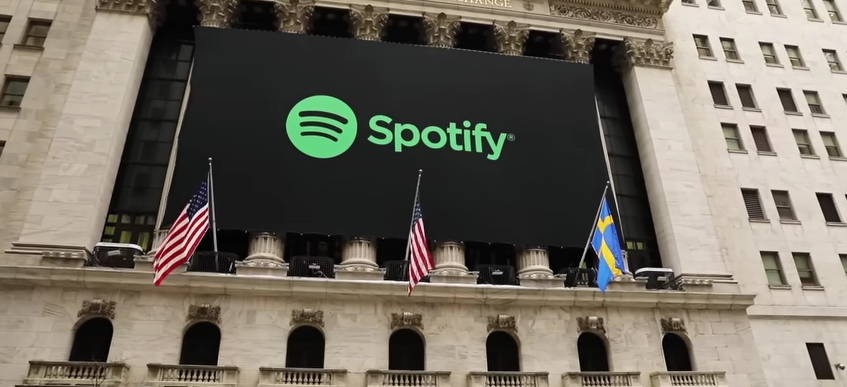
For a visual snapshot of Spotify’s growth and engagement in India, check out this LinkedIn video by Vikas Chawla.
Why This Growth Story Matters
From ~1 million users in 2019 to ~88 million by early 2025, this isn’t just growth. This is a freemium experiment done right:
- No bundling, no monopoly advantage, no forced conversion
- Just product, habit, and time
When I put all this together, it’s clear why India is strategic for Spotify. It’s not about immediate revenue. It’s about building scale, learning patterns, and embedding Spotify into the daily lives of millions.
And if you ask me, that’s the real lesson for anyone looking at platform growth in emerging markets: patience, data, and user-first thinking beat short-term monetization every time.