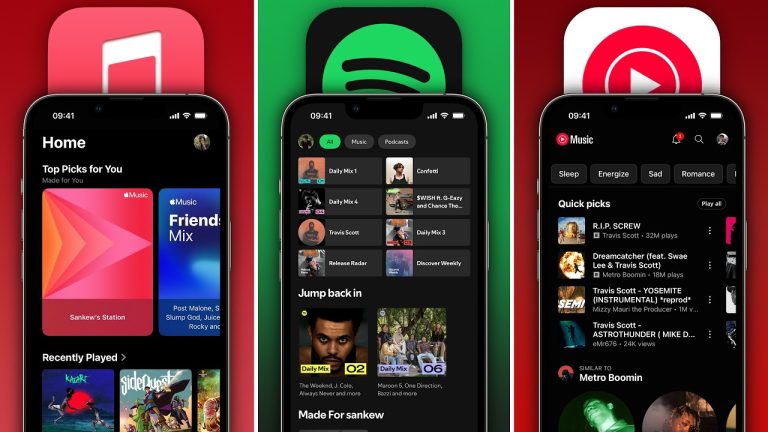
How Spotify Makes Money in India: Subscription Pricing, Ad Revenue, and Market Reality

If you look at Spotify’s India story without context, you might think the business is struggling.
Low prices.
Free users everywhere.
And a completely different revenue logic than Spotify’s U.S. or European playbook.
But here’s the surprising twist: in FY25, Spotify India finally turned profitable — something few people expected given how this market works. (Exchange4Media)
So let’s not talk generic facts.
Let’s talk real numbers, real strategy, and why Spotify’s India model actually makes business sense.
Spotify India by the Numbers
Let’s start with the facts that matter:
| FY | Revenue (₹ Cr) | Subscription (₹ Cr) | Ads (₹ Cr) | Profit / Loss |
|---|---|---|---|---|
| FY25 | ~513.8 | ~316.8 | ~186.7 | +₹74–75 Cr |
| FY24 | ~321.3 | ~167.8 | ~135.3 | Loss (narrowed) |
| FY23 | ~167.0 | ~88.0 | ~63.0 | Loss (reduced) |
Here’s the key takeaway: both subscriptions and ads are real revenue engines in India — and that’s before we even talk about pricing psychology or competitive strategy.
The Big Mistake People Make When They Judge Spotify India
Most commentary judges Spotify India like it’s Spotify US or Spotify Europe. That’s the wrong lens.
Here’s the truth:
India is a scale market, not a margin market.
In FY24, Spotify India was reported to have around 70 million monthly active users, many of whom still use the free, ad-supported tier.
And yes, average revenue per user (ARPU) is low compared to Western markets — roughly between ₹60 and ₹70 per month in some estimates.
But low ARPU does not equal weakness. It reveals pricing rooted in psychology and competition, not blind imitation of global models.
Subscription Pricing That Feels Local (and Smart)
In India, Spotify does not sell one subscription price.
It sells psychological commitment levels.
As of late 2025, Spotify India offers three primary paid plans:
- Premium Lite — ~₹139 per month
- Premium Standard — ~₹99/month for first three months, then ₹199/month
- Premium Platinum — ~₹299 per month
You might even see special promos like a ₹499 annual Diwali plan, designed specifically to lure price-sensitive users.
Now listen to this: Spotify raised prices in India by up to 28% in 2025, the first major price revision since launch.
This tells you something important:
They are not afraid to experiment with pricing, but they do it gradually, data-driven, and market-friendly.
Spotify isn’t pricing music.
They are pricing commitment, which is much more subtle and effective.
YouTube Is a Permanent Free Competitor
Why can’t Spotify just charge Western prices in India?
Because consumers here are trained to get music free.
YouTube, free radio, local platforms, and social media are constantly offering free audio.
That changes consumer psychology.
Industry data shows India had around 185 million audio streaming users in 2023, but only ~7.5 million were paid subscribers across all platforms.
That is not just Spotify’s problem. It’s the market’s DNA.
Ads in India Are Not a Side Hustle
Here is the part most people misunderstand.
Spotify’s ad revenue in India isn’t small. It’s strategic and growing:
- ₹63 crore in FY23
- ₹135.3 crore in FY24
- ₹186.7 crore in FY25
All year-over-year growth.
This is not a small number. It says something very specific.
Indian advertisers are buying audio ads at scale.
They aren’t paying Western CPMs. They don’t need to.
India’s ad market is built on reach, frequency, and rapid growth.
So while “ads are not profitable in India” might be a meme sentiment online, the numbers tell a different story.
Ads are a second revenue pillar that compounds Spotify’s monetization.
Why Profit Finally Happened in FY25
Spotify India’s profit did not come from a miracle.
It came from revenue growth + cost discipline.
In FY25:
- Advertising and marketing expenses dropped sharply — down about 37% from FY24 levels.
- Operational efficiencies kicked in.
- Paid subscriptions were monetized more aggressively.
This combination flipped the income statement to the positive side. That is real operational discipline, not luck.
That’s the moment when a “growth market” starts acting like a sustainable business.
The Reality of ARPU and Lifetime Value in India
Let’s talk about ARPU again because it matters.
Yes, India’s ARPU is lower than the U.S. or Europe. That’s been part of industry commentary for years.
But here’s the part almost no one writes about:
ARPU in India improves over time with plan upgrades and retention.
Users may start on a Lite plan, then move up to Standard or Platinum once they experience the product. Spotify’s pricing tiers work like psychological stepping stones.
Plus, promotional plans like ₹499 annually help increase lifetime value without scaring away free users.
This is not random pricing. It is pricing with intent, backed by experimentation and conversion data.
Competition Shapes Spotify’s Monetization Choices
Let’s be honest.
Spotify India does not compete just with audio platforms.
It competes with:
- YouTube Music (free + video)
- Gaana
- JioSaavn
- Amazon Music
- Apple Music
And others like Wynk. All of them have different pricing and content strategies.
Industry reports show Spotify had around 26% market share in India’s streaming ecosystem around 2023.
That is a meaningful share in a fragmented market.
Spotify’s pricing, ads, and conversion strategy reflect the reality that premium subscriptions are a long play in India.
What the Numbers Tell Us About the Future
Here are some trends you cannot ignore:
- India’s paid subscriber base is growing year over year. Industry estimates suggest it could be ~10.5 million paid streams, up from ~7 million previously.
- Spotify India now maintains disciplined cost structure and ad monetization.
- Promotional pricing and tiered plans are part of an explicit strategy to raise average revenue over time.
- Podcasts, local content, and audio ads compounds this growth.
With strategy and patience, Spotify India could replicate — or even improve upon — its global monetization model by 2030.
Final Takeaway
The traditional view of “Spotify makes money from subscriptions and ads” is true but flat.
But when you put real numbers on the table:
- Revenue surge across years
- Actual profit in FY25
- Strategic pricing changes
- Massive ad revenue growth
- Market-specific monetization logic
You get a totally different narrative.
This is not a company chasing money.
This is a company building monetization with India’s unique market DNA in mind.
And that is how Spotify is making money in India — not by copying the West, but by designing for the East.